Scientific: Euphorbia tirucalli 'Rosea' (Synonym: Euphorbia rhipsaloides, Euphorbia viminalis, Tithymalus tirucalli)
Common: Fire sticks, sticks of fire, sticks on fire, Indian tree spurge, pencil cactus, naked lady, milk bush
Family: Euphorbiaceae
Origin: Native to South Africa, though it has naturalized throughout Africa. Also, it has naturalized in southwest Florida.
Pronounciation: U-FOR-bee-a tir-u-CAL-li ROW-se-a
Hardiness zones
Sunset 13-24
USDA 9-11
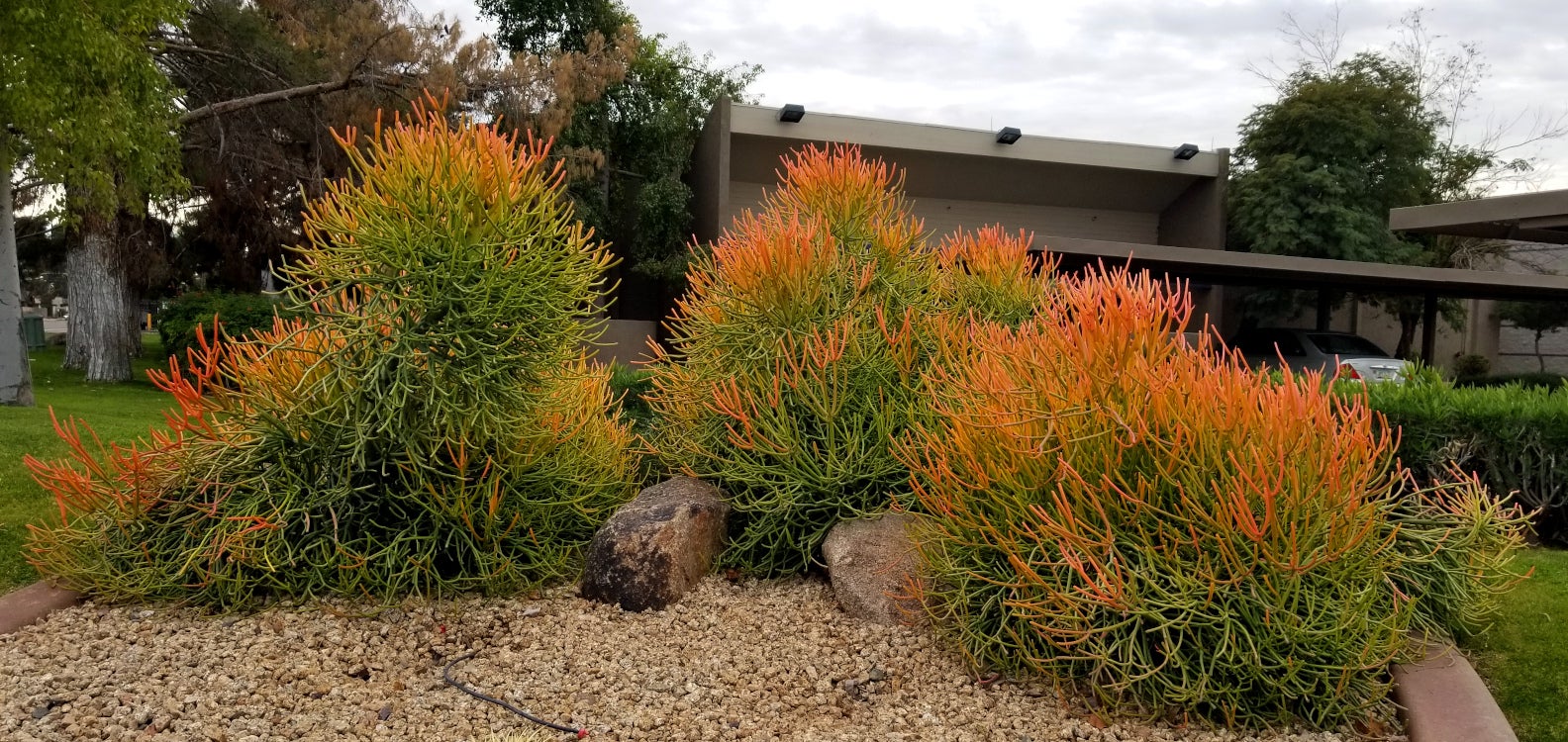
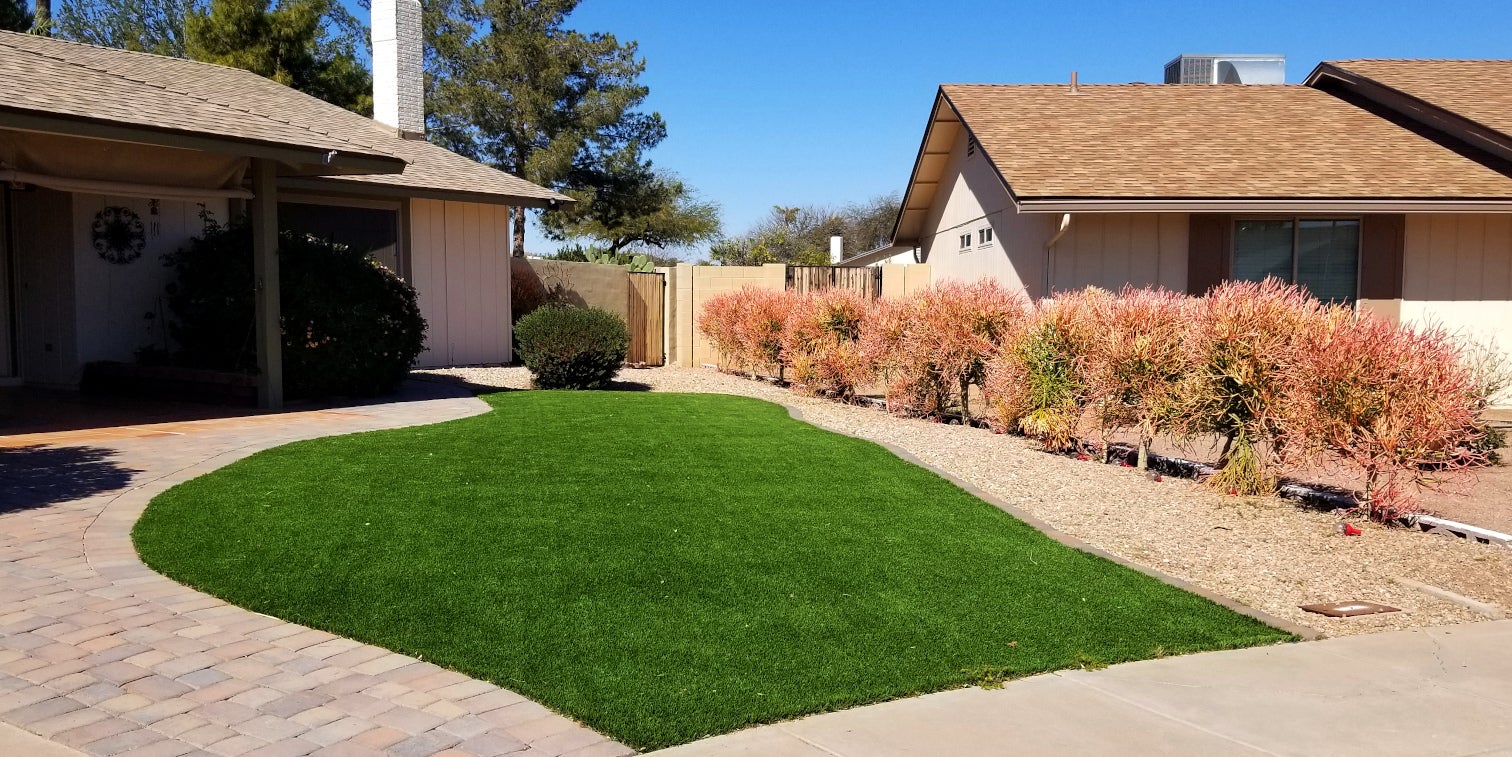
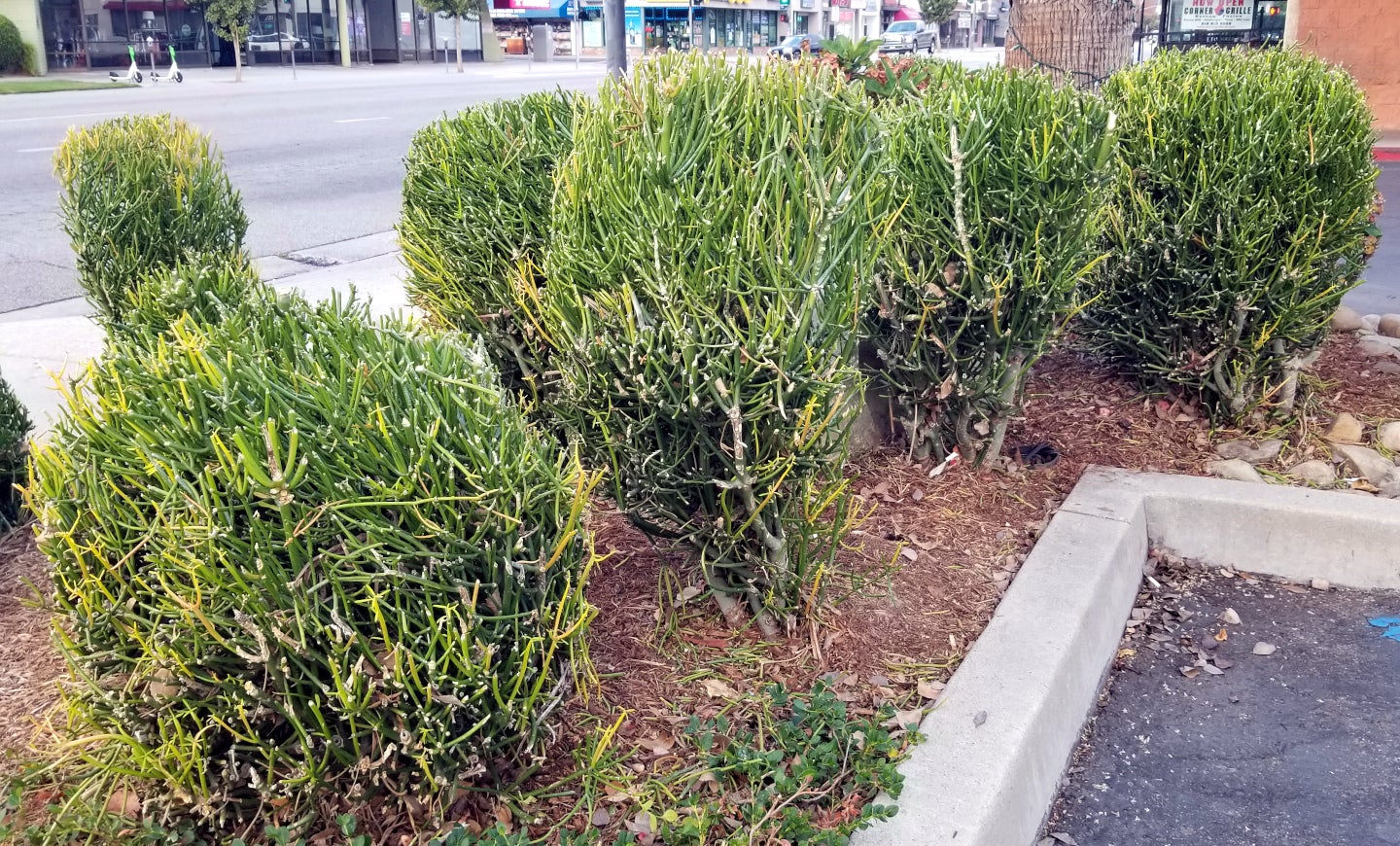
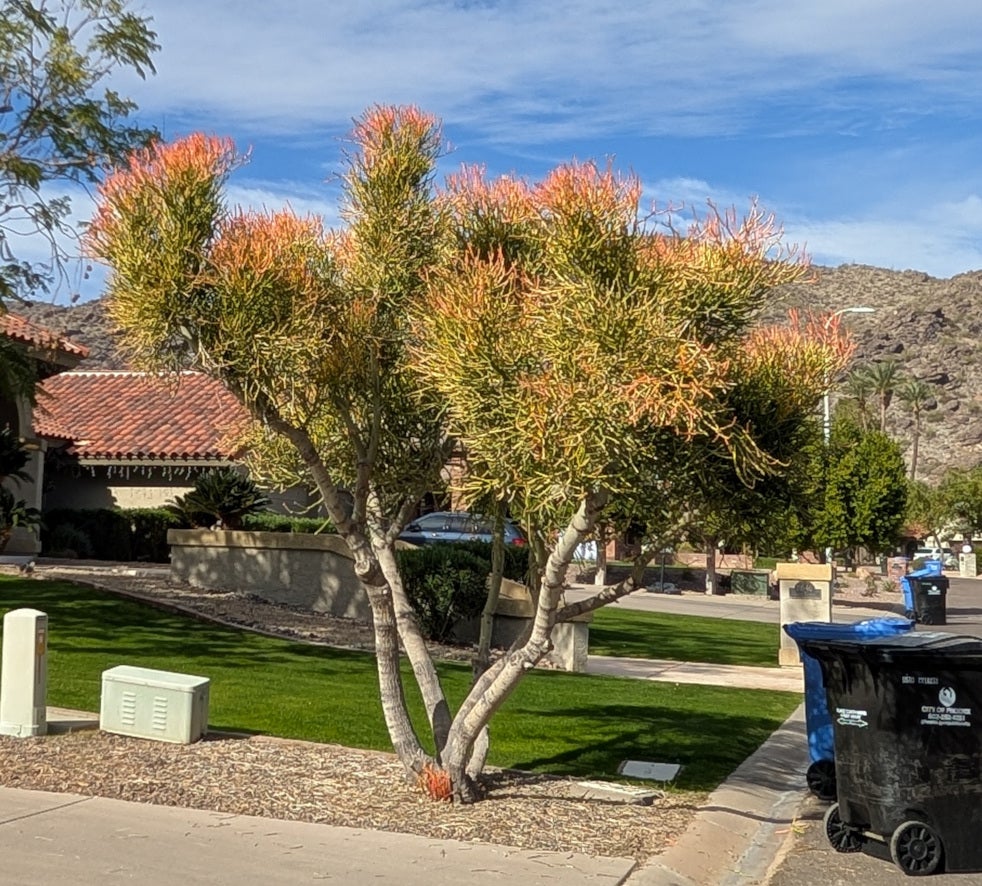
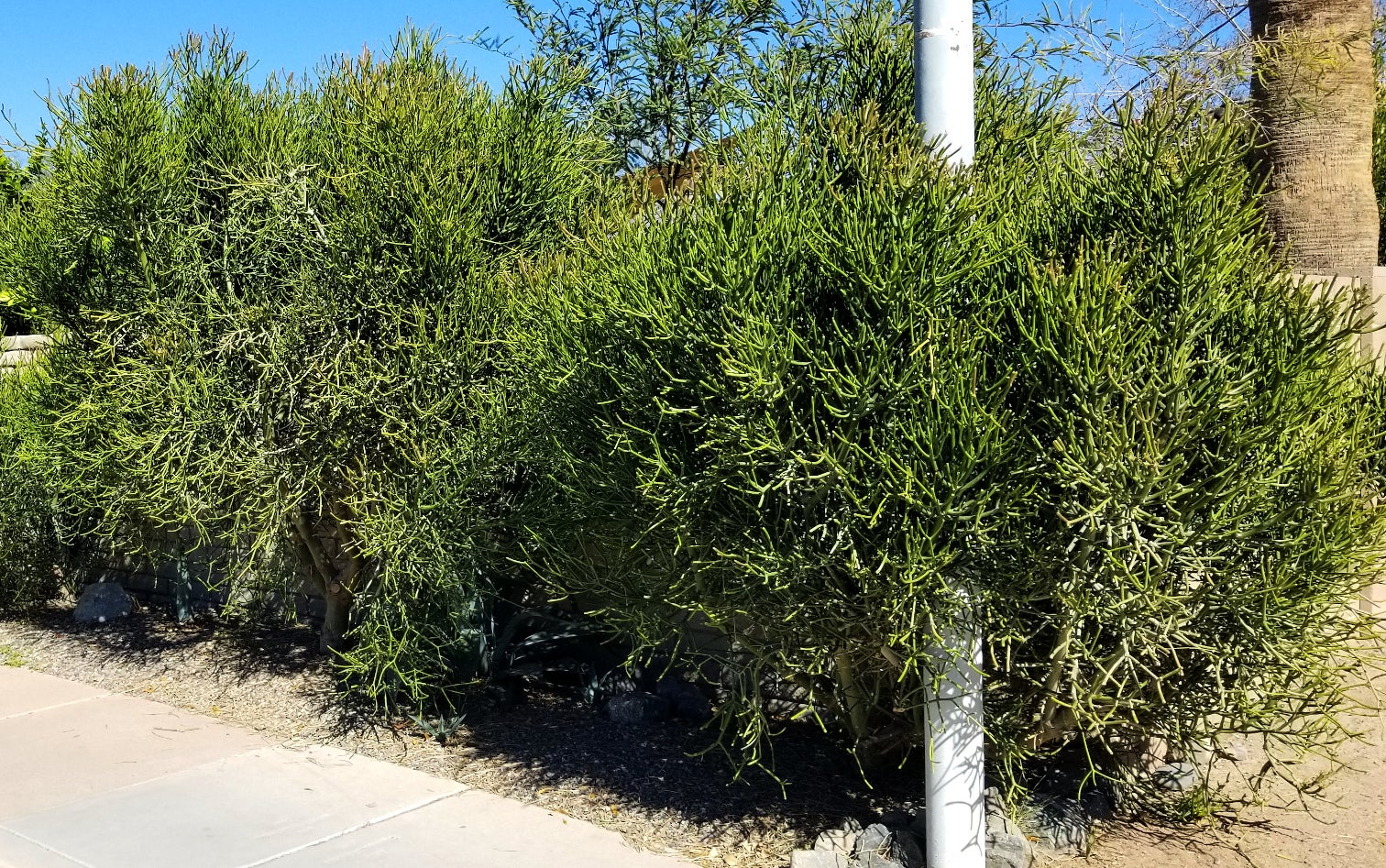
Landscape Use: Strong color and textural accent shrub, informal hedge, for oasis, xeric and desert landscape design themes, container plant.
Form & Character: Rounded and upright, colorful, unique, dry.
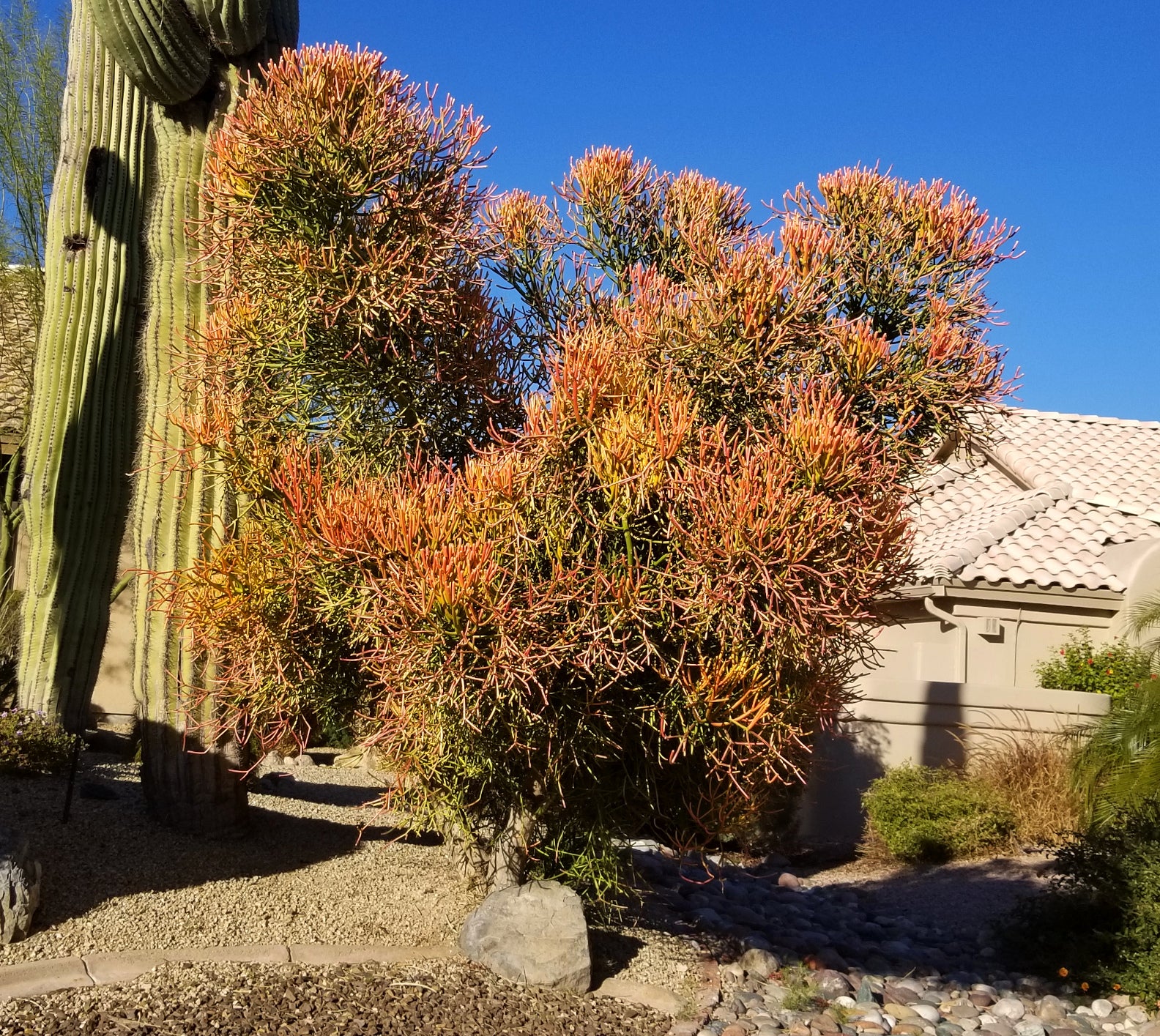
Growth Habit: Evergreen, mostly succulent perennial, slow to eventually 4- to 10-feet tall with somewhat lesser to similar spread. Stems of cultivar 'Rosea' have lower concentrations of chlorophyll meaning its growth rate is slowed compared to the 'green' form. Euphorbia tirucalli has both C3 and CAM metabolism for photosynthesis in its leaves/stems.
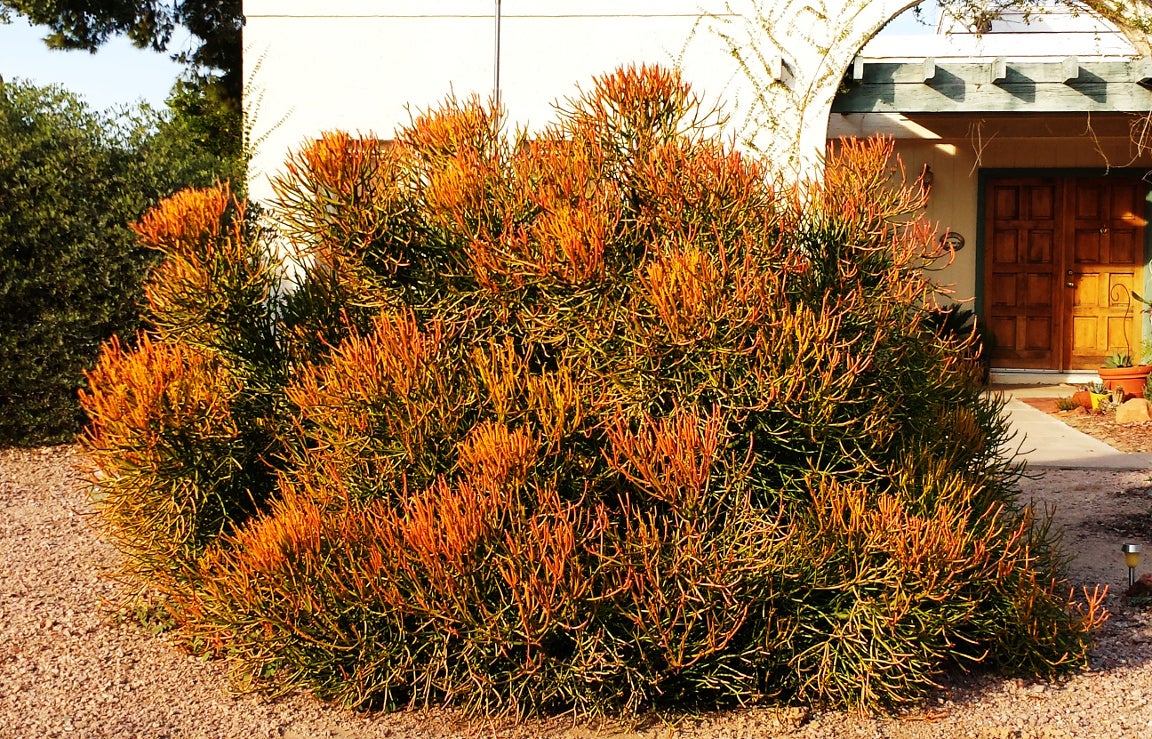
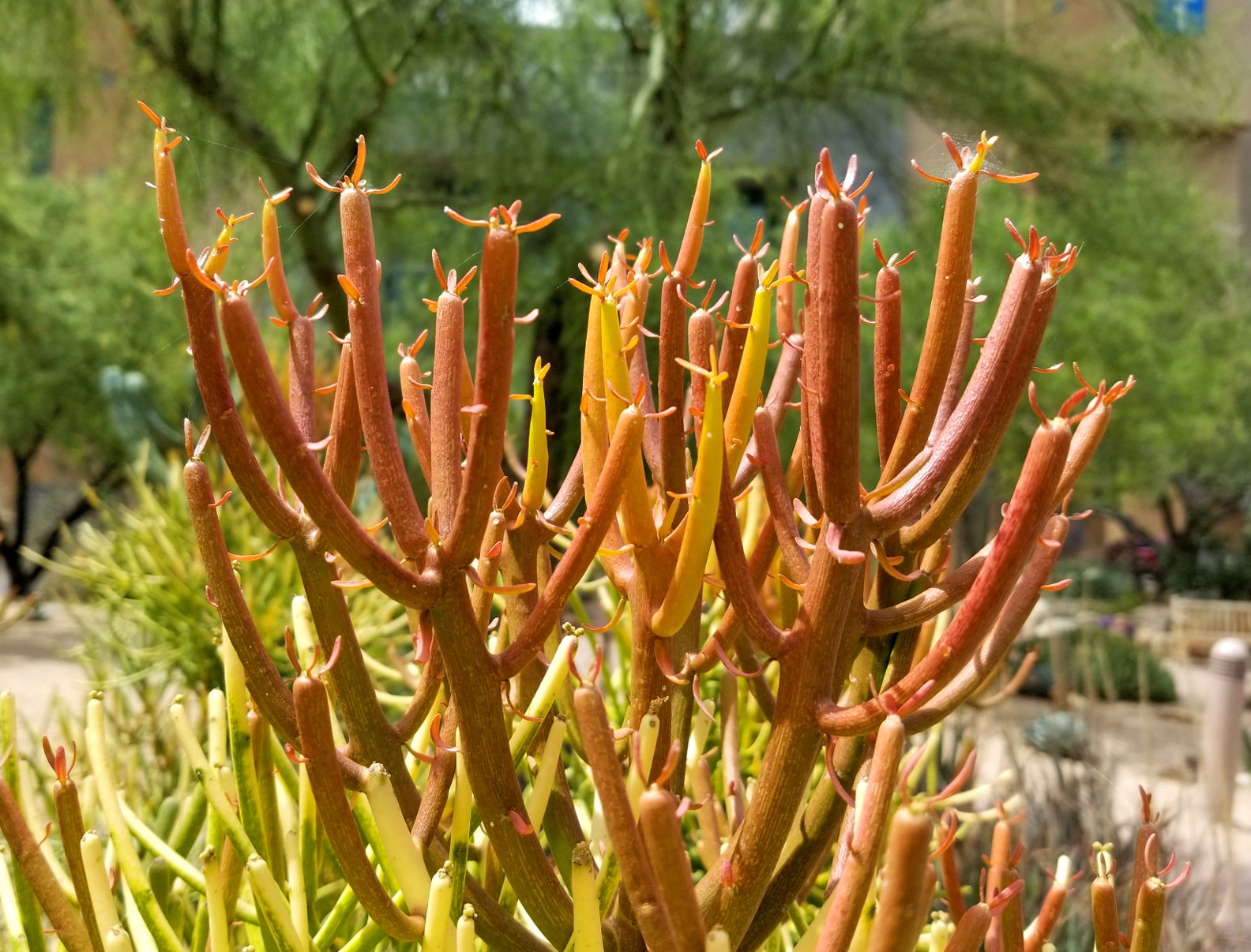
Foliage/Texture: Leaves are small and ephemeral to non existant, thus the plant consists of mostly photosynthetic stems. New stems of 'Rosea' are colored (yellow, orange and red). The texture of this plant is fine.
Toxicological warning: The stems of Euphorbia tirucalli contain a milky latex sap that can be caustic or even poisonous causing severe injury to the eye, irritation and vesication from contact, and nausea, vomiting, diarrhea from ingestion. Eye contact with the sap might cause temporary blindness. The toxicity of the latex is typically seasonal or reduced in young plant parts.
Flowers & Fruits: Tiny clusters of terminal yellow flowers during spring that attract bees; fruits insignificant.
Seasonal Color: Orange and red stems during the Phoenix cool season (October through April).
Temperature: Tolerant of desert heat. The cultivar 'Rosea' is cold hardy to 28oF with carotenoid and anthocyanin pigment biosynthesis stimulated by cooler winter temperatures in Phoenix (thus, the fiery orange red stem color).
Light: Full sun, shade reduces orange red stem color.
Soil: Tolerant
Watering: Fire sticks is quite drought tolerant. Water sparingly only as needed.
Pruning: Fire sticks rarely needs pruning if planted and cared for wisely. Prune it by selectively removing stems to promote a desired shape during later spring only. Otherwise leave this wonderful plant alone to 'do its thing'.
Special caveat:
Propagation: Stems cuttings propagate easily.
Disease and pests: Root rot is the only real problem with this otherwise tough shrub.
Additional comments: Fire sticks is a smallish cultivar of the normally very large (10- to 20-feet tall) pencil cactus (Euphorbia tirucalli). It is is a visually stunning, popular and easy to grow landscape plant that enlivens most any garden or landscape setting, especially during winter when the reddish stem color is most intense.
Industrial uses: The latex from the stems of Euphorbia tirucalli can be processed into a low grade rubber and has gained recent interest as a source for biofuel.