Mining ~ Minería
During the Arizona Territorial period, many miners were prospectors, or placeros (placer miners), who followed the news of gold and silver deposits. Techniques such as dry washing and patio processing, used to mine surface deposits, were perfected in Northern Mexico. Like stock raising, mining developed from a Mexican tradition and heritage.
After the Gadsden Purchase in 1854, Americans re-opened mines in southern Arizona and recruited manual laborers from Mexico because they were experienced miners in this region and were inexpensive labor. The Metcalf Copper mine in Morenci relied on the Mexicans’ skills to build and operate the smelters, another mining tradition from Mexico.
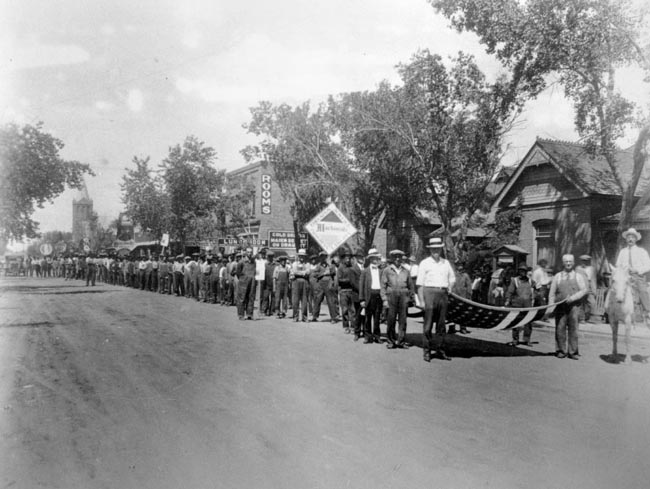
In 1915-16, after years of poor mining working conditions, wage discrimination, and several strikes, 5,000 miners, supported by the Western Federation of Miners (WFM), staged labor strikes in the Clifton, Morenci and Metcalf areas.
Possibly the most profound example of companies versus organized labor is the deportation of laborers from Bisbee by the Phelps Dodge Corporation in 1917 in reaction to the Industrial Workers of the World (IWW) effort to unionize miners.
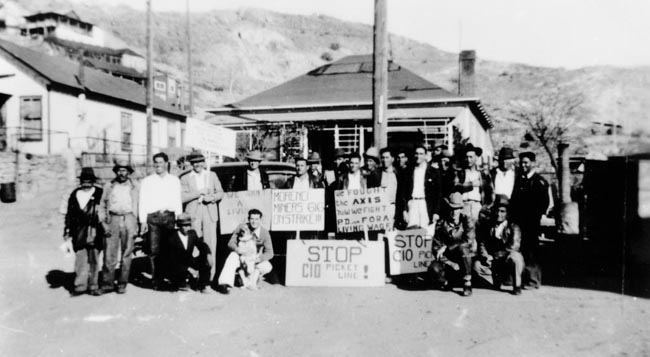
Soon after World War II, Mexican American veterans in Morenci staged the 1946 strike against the Phelps Dodge Corporation demanding equality with other workers.
After the bitter 1983-84 strike against Phelps Dodge, the strength of labor unions was somewhat diminished. However, the presence, tradition and contribution of the Mexican American miner is still dominant in today’s southwest.
Durante el período conocido como Arizona Territorial, muchos mineros fueron exploradores o "placeros" quienes seguían las noticias de los depósitos de oro y plata. Técnicas tales como lavado en seco y procesamiento de patio, usados para extraer los depósitos minerales de la superficie, fueron perfecionadas en el Norte de México. Tal como la crianza de ganado, la minería se desarrollo de la tradición y herencia mexicana.
Después de la Compra Gadsden en 1854, los americanos reabrieron minas en el sur de Arizona y reclutaron trabajadores desde México porque ellos eran mineros experimentados en esta región y su mano de obra era barata. La Mina Metcalf Copper en Morenci confiaba en las habilidades de los mexicanos para construir y operar las máquinas de fundir metal, otra tradición que fue adquirida desde las minas de Mexico.
En 1915-16, después de años de malas condiciones de trabajo en las minas, descriminación de salario y muchas huelgas, 5,000 mineros, apoyados por la Federación del Oeste de Mineros (Western Federation of Miners - WFM), declararon la huelga en las áreas de Clifton, Morenci y Metcalf.
Posiblemente el ejemplo más profundo de la oposición de las compañías contra la labor organizada es la deportación de trabajadores de Bisbee por la Corporación Phelps Dodge en 1917, en reacción a los esfuerzos de los Trabajadores Industriales del Mundo (Industrial Workers of the World - IWW) de formar una unión de mineros.
Poco después de la Segunda Guerra Mundial, los veteranos Méxicano Americanos en Morenci llevaron a cabo la huelga de 1946 contra la Corporación Phelps Dodge, reclamando igualdad con los otros trabajadores.
Después de la amarga huelga en 1983-84 contra Phelps Dodge, la fortaleza de las uniones de labor fue en cierto grado disminuida. Sin embargo, la presencia, tradición y contribución de las mineros Méxicano Americanos es todavía dominante en el suroeste de hoy día.
Early Mining / Comienzos de Minería
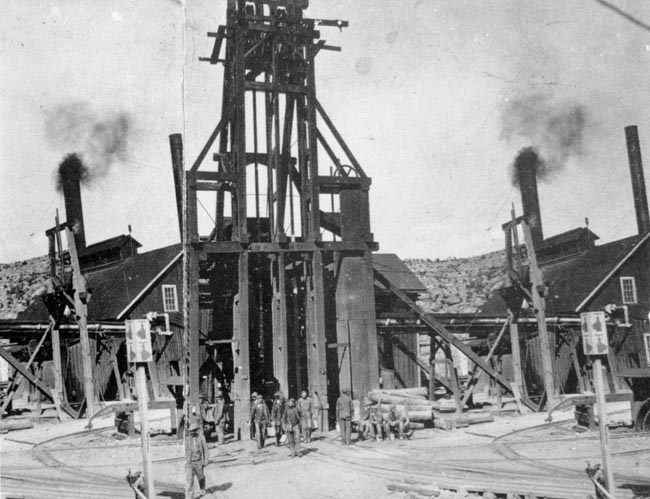
Globe, ca. 1885
CP SJ 32
Jones (Sammy) Photographs
Click to view larger image
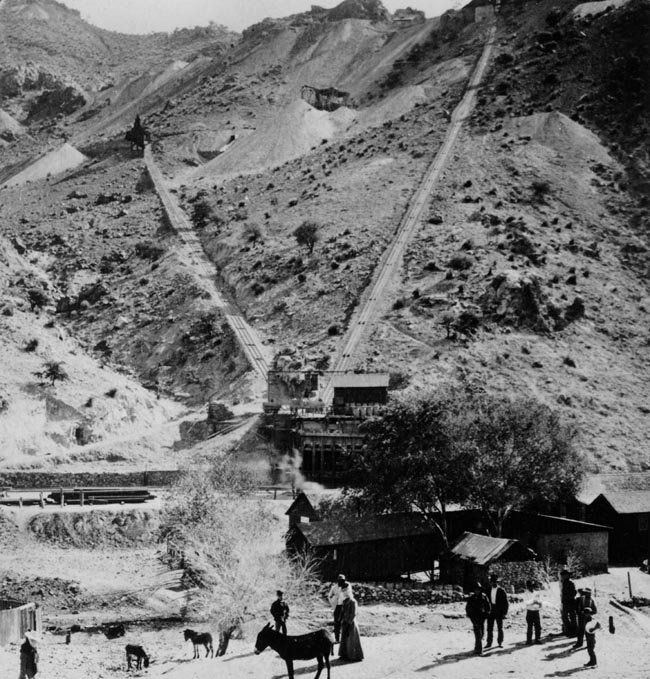
N.D.
CP SPC 41.56
Southwest Photograph Collection
Click to view larger image
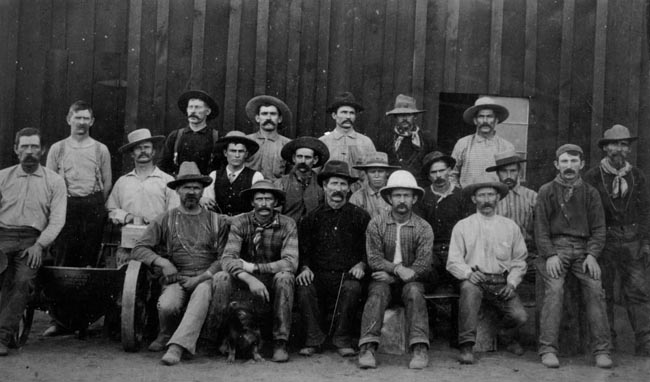
Globe, ca. 1885
CP SJ 26
Jones (Sammy) Photographs
Click to view larger image
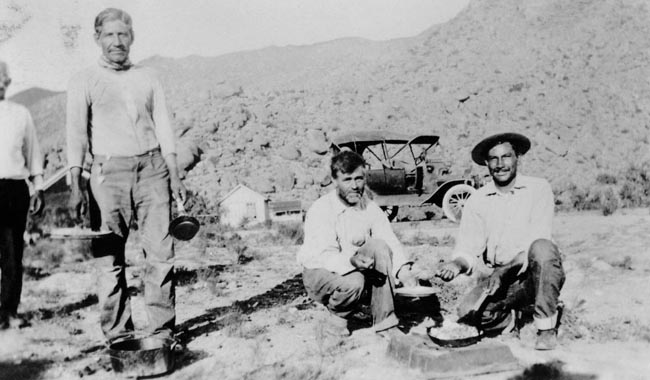
ca. 1918
MP SPC 173.A229
Ocampo Family Photograph Collection
Click to view larger image
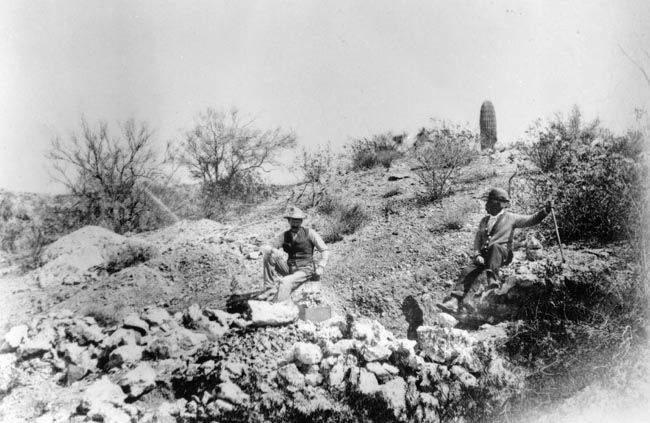
Ramón Valencia on the right / a la derecha
1890s
MP SPC 173.A203
Ocampo Family Photograph Collection
Click to view larger image
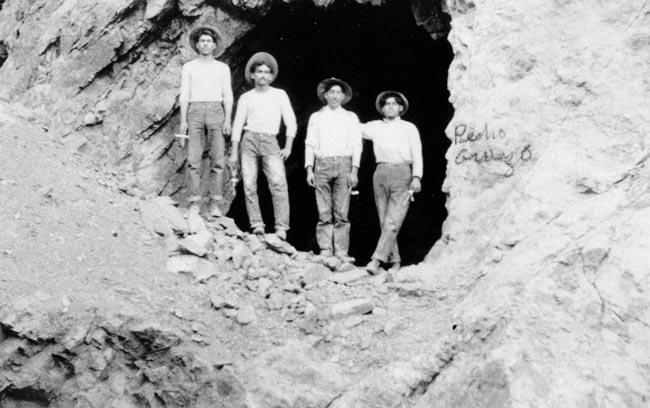
(r.) Pedro Arvizo, one time boyfriend of Francisca R. Ocampo /
Pedro Arvizo, antiguo novio de Francisca R. Ocampo
1910s
MP SPC 173:672
Ocampo Collection
Click to view larger image
Strikes and Labor / Huelgas y Labor
Clifton Morenci Strike
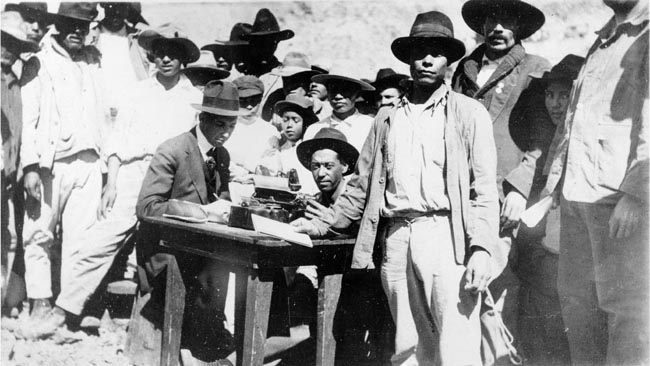
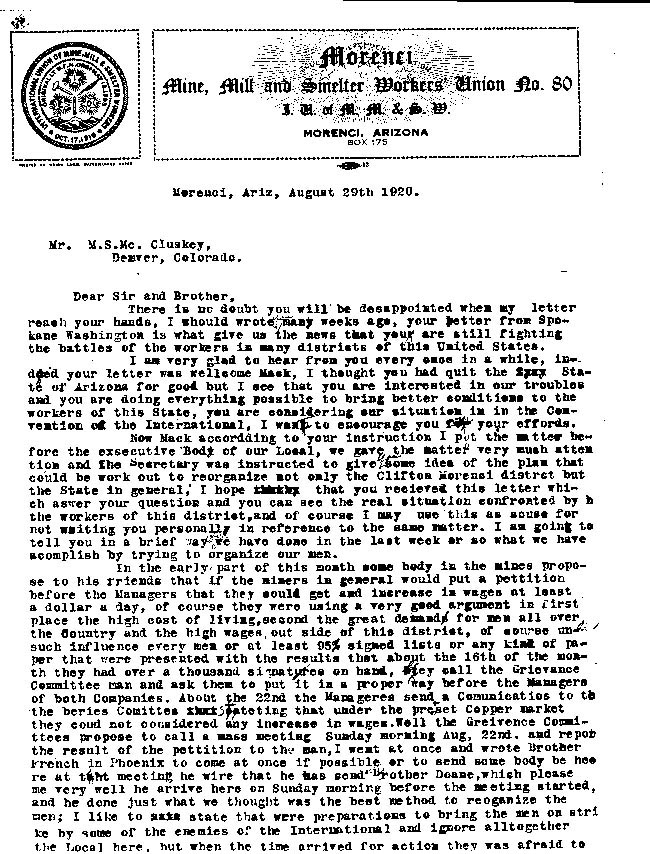
At the turn of the 20th century labor organizations proliferated, attempting to protect the rights of the working class. The Western Federation of Miners (WFM,) a radically oriented labor union for the unskilled laborer, was founded in 1893. This group played a leading role in founding the more radical group, the Industrial Workers of the World (IWW), in Chicago in 1905. Mexican and Mexican Americans joined both groups where they learned organizing skills.
In 1903, Mexican and Mexican American miners staged one of the earliest copper strikes that failed due to a lack of support by Euro-American miners and major floods that occurred in Clifton.
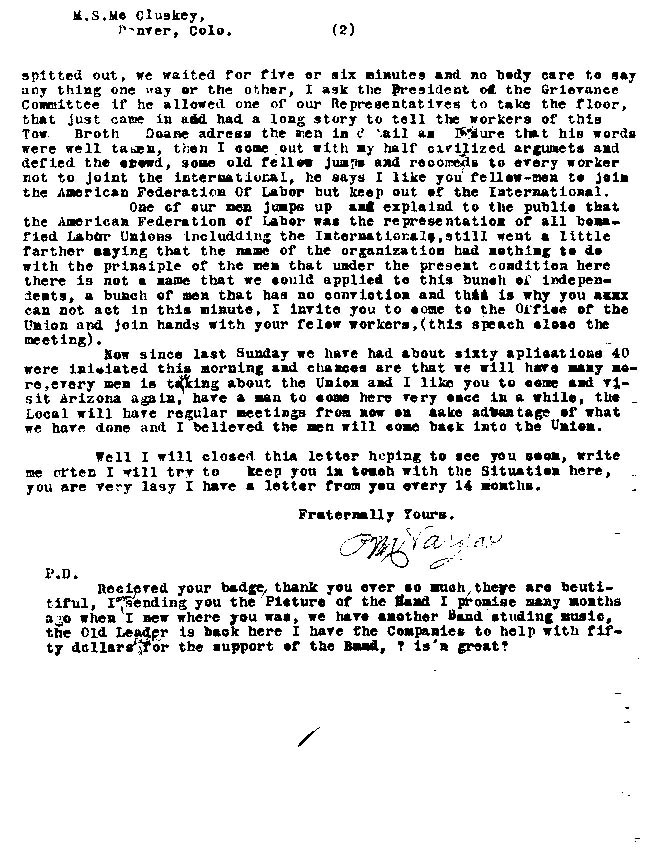
It wasn’t until 1915, when the WFM and IWW called for a walkout in Clifton, Morenci and Metcalf, that some demands were met. Five thousand miners, 70% Chicanos, demanded pay equity, elimination of corruption and improved working conditions. The workers settled their strike with increased wages and a sliding pay scale tied to copper prices. The strike was successful in part to mediation by Governor George W. P. Hunt and to the Mexican and Mexican Americans who staged a 19 week shutdown that caused hardships for the laborers and their families. Part of the concessions were that the workers must abandon the WFM. Unions were still not recognized.
Mexican American veterans, members of the International Union of Mine, Mill and Smelter Workers (IUMMSW) returned for work in the Clifton-Morenci area after service in World War II. The miners organized a 103 day old strike in March of 1946 against the Phelps Dodge Corporation. Among their demands was equality in pay and treatment along with other workers. They succeeded in gaining equal pay, equal benefits and equal job opportunities, making this dangerous work more tolerable.
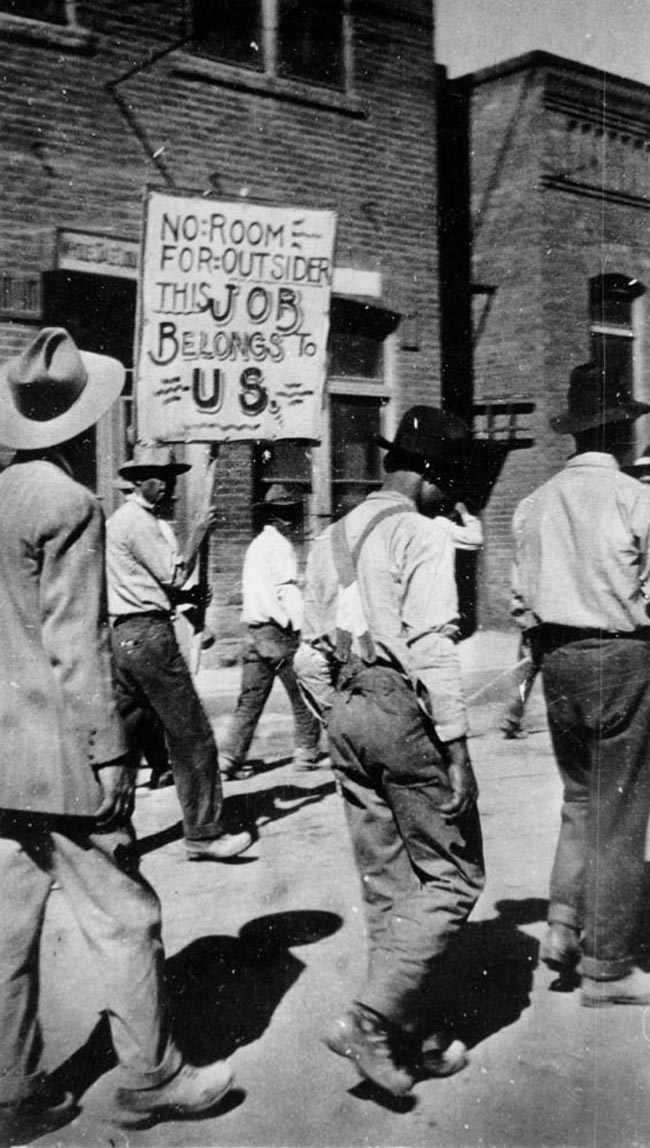
1916
CP MCC-78
Henry S. McCluskey Collection
Click to view larger image
Huelgas de Clifton Morenci
A la vuelta del Siglo 20 las organizaciones de labor se multiplicaron, tratando de proteger los derechos de la clase trabajadora. La Federación del Oeste de Mineros (Western Federation of Miners - WFM), una unión de labor orientada radicalmente para los trabajadores sin cualidades técnicas, fue fundada en 1893. Este grupo jugó un papel de liderazgo al fundar un grupo más radical, los Trabajadores Industriales del Mundo (Industrial Workers of the World - IWW), en Chicago en 1905. Los Mexicanos y Mexicano Americanos juntaron ambos grupos, donde ellos aprendieron técnicas para organizar.
En 1903, los mineros Mexicanos y Mexicano Americanos organizaron una de las primeras huelgas de cobre, que falló debido a la falta de apoyo de los mineros Euro-Americanos y por grandes inundaciones que ocurrieron en Clifton.
No fue sino hasta 1915, cuando ambos grupos, el WFM y el WWW, declararon huelga en Clifton, Morenci, y Metcalf, que algunas de las demandas fueron cumplidas. Cinco mil mineros, 70% Chicanos, demandaron igualdad de pago, eliminación de la corrupción, y mejoramiento de las condiciones de trabajo. Los trabajadores resolvieron la huelga con aumento de salarios y una escala de pago graduable de acuerdo a los precios del cobre. La huelga fue un éxito debido en parte a la mediación del Gobernador George W. P. Hunt y a los Mexicanos y Mexicano Americanos, quienes organizaron un cierre de 19 semanas que causó dificultades para los trabajadores y sus familias. Parte de las concesiones fueron que los trabajadores debían abandonar la WFM. Las uniones de labor todavía no eran reconocidas.
Los veteranos de guerra Mexicano Americanos, miembros de la Unión Internacional de Minas, Trabajadores de Mill y Smelter (International Union of Mine, Mill and Smelter Workers - IUMMSW), regresaron a trabajar en la área de Clifton Morenci después de servir en la Segunda Guerra Mundial. Los mineros organizaron una huelga de 103 días en Marzo de 1946 contra la Corporación Phelps Dodge. Entre sus demandas incluía la igualdad de pago y trato junto con los otros trabajadores. Ellos tuvieron éxito al lograr igualdad de pago, igualdad de beneficios, e igualdad de oportunidades de trabajo, haciendo este trabajo peligroso más tolerable.
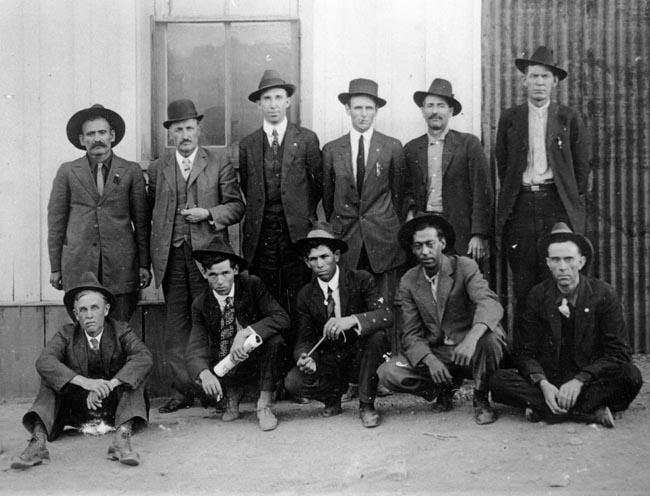
Henry S. McCluskey, third top row; Canuto Vargas, Pascual Vargas y Soto, second to fourth bottom row
Funcionarios de la unión de mineros del Distrito de Morenci
ca. 1915
CP MCC-82
Henry S. McCluskey Collection
Click to view larger image
Morenci, 1916
CP MCC-21
Henry S. McCluskey Collection
Click to view larger image
Morenci, ca. 1916
CP MCC-24
Henry S. McCluskey Collection
Click to view larger image
1946
Hector Galán: Los Mineros Photographs
MP SPC 186.14.23
David Velásquez Collection
Click to view larger image
Henry S. McCluskey Collection
Box 3, Folder (Morenci Miners)
Click to view larger image
Deportation / Deportación
Bisbee Deportation
In 1917 strikes and walkouts were rampant in Arizona. Large companies formed a united front to fend off labor organizations and unions. Companies attacked the strikers through inflammatory articles written in partisan newspapers. Cochise County Sheriff William Wheeler, persuaded by the corporations, deputized the Bisbee Citizens’ Protective League. The vigilantes imprisoned 1186 men, jammed them into twenty-three box cars, and shipped them out of Arizona; 15 hours later they abandoned them in the hot New Mexico desert. Two-hundred sixty-eight men were Mexicans; the remainder were from 20 different nations including the United States.
Deportación de Bisbee
En 1917 las huelgas y protestas cundían en Arizona. Grandes compañías formaban un fuerte unido para defenderse de las organizaciones y uniones de labor. Las compañías atacaban las huelgas a través de artículos incendiarios en periódicos partidistas. El Sheriff William Wheeler del Condado de Cochise, persuadido por las corporaciones dio poderes a la Liga Protectora de Ciudadanos de Bisbee (Bisbee Citizens’ Protective League). Los vigilantes encarcelaron 1186 hombres, los pusieron en 23 carros-cajones apretados los unos contra los otros, los embarcaron fuera de Arizona, y 15 horas más tarde fueron abandonados en el desierto caliente de Nuevo México. Doscientos sesenta y ocho hombres fueron Mexicanos; el resto fueron de 20 diferentes naciones inclusive de los Estados Unidos.
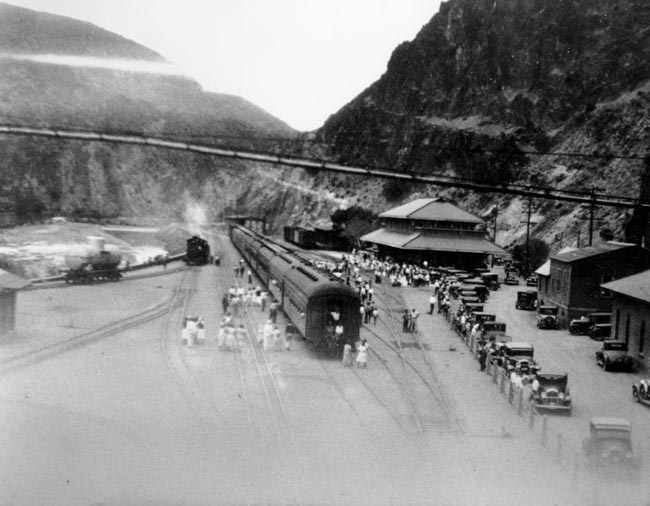
Morenci, ca. 1921
MP SPC 102:2
Click to view larger image
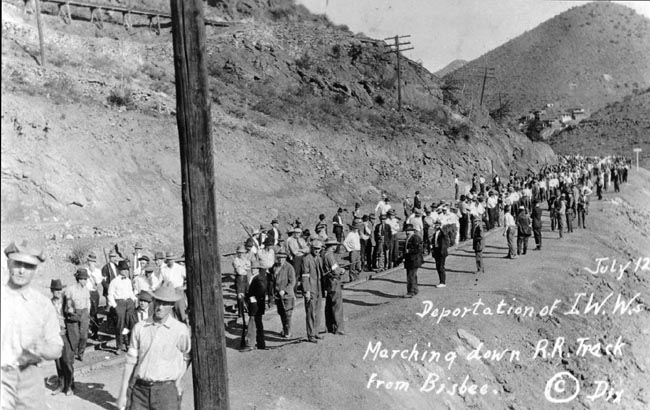
July 12, 1917
MP SPC 186.13:3
Hector Galán, Los Mineros Photograph Collection, 1910-1950
Click to view larger image
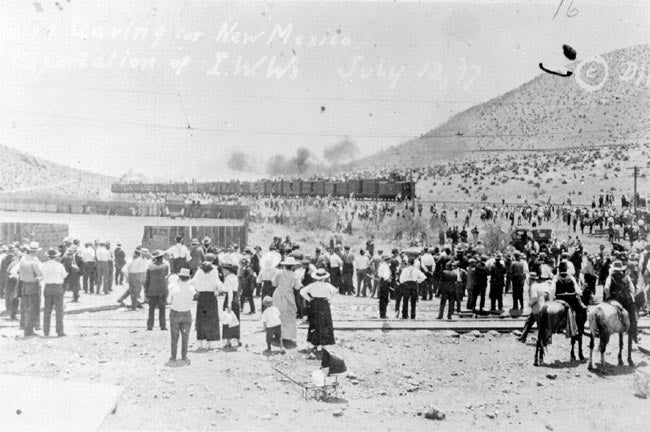
July 12, 1917
MP SPC 186.13:15
Hector Galán, Los Mineros Photograph Collection, 1910-1950
Click to view larger image
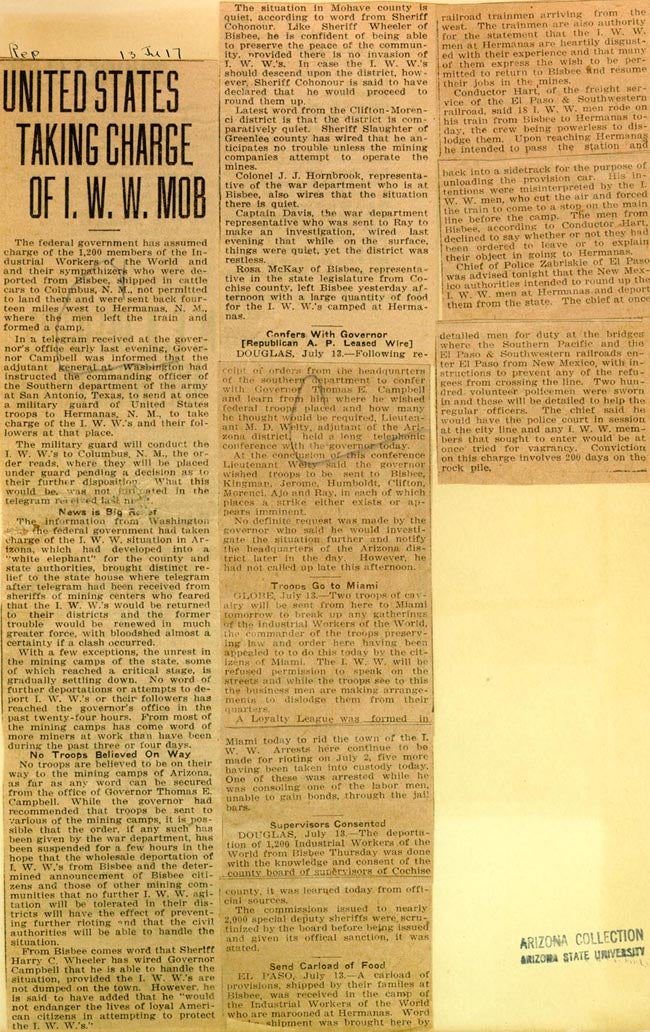
July 13, 1917
CE EPH M-96
Click to view larger image
Tent City / Ciudad de Carpas
In the early twentieth century, miners and their families built sturdy tent houses in which to live until they used lumber or adobe to build their homes. This was true in the early silver and copper camps of Superior and Miami. In Superior, tent houses were prevalent in the area of Main and Kellner streets. Miami's tent houses were located in the area known as "Tinkerville."
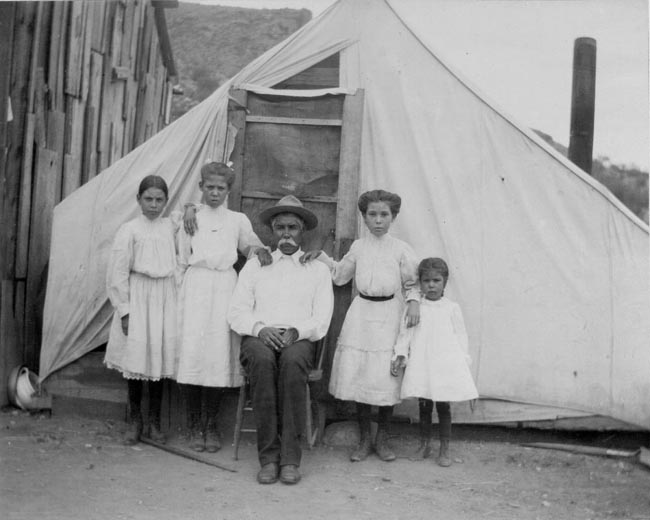
Superior, ca. 1910
CP RR 267
Ryder Ridgway Photographs
Click to view larger image
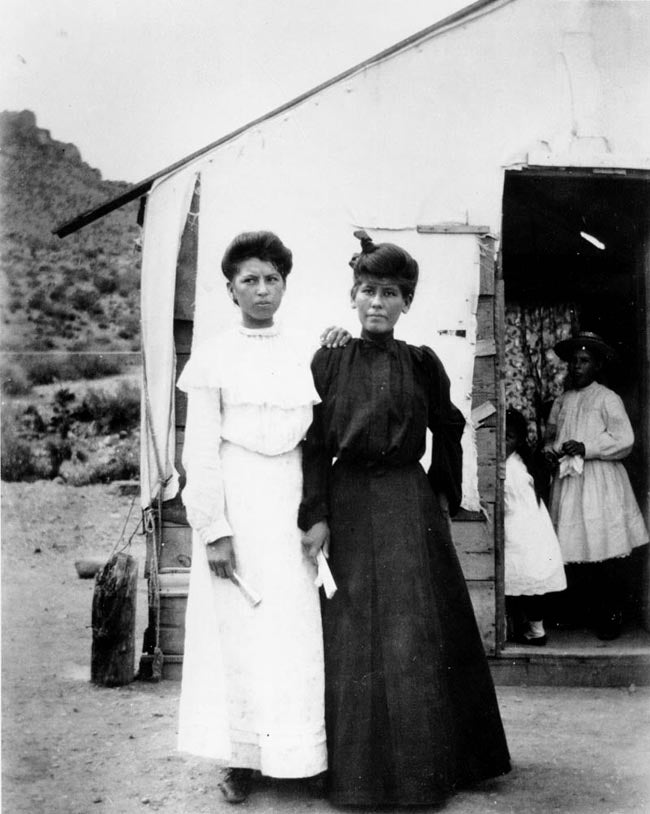
Superior, ca. 1910
CP RR 270
Ryder Ridgway Photographs
Click to view larger image
A principios del Siglo Veinte, los mineros y sus familias construían fuertes casas hechas con carpas, donde vivían hasta que ellos podían construir sus casas con madera y adobe. Esta fue la verdad en los tempranos campamentos de las minas de plata y cobre en Superior y Miami. En Superior, las casas de carpas predominaban en las calles Main y Kellner. Las casas de carpa en Miami fueron localizadas en una área conocida como "Tinkerville."
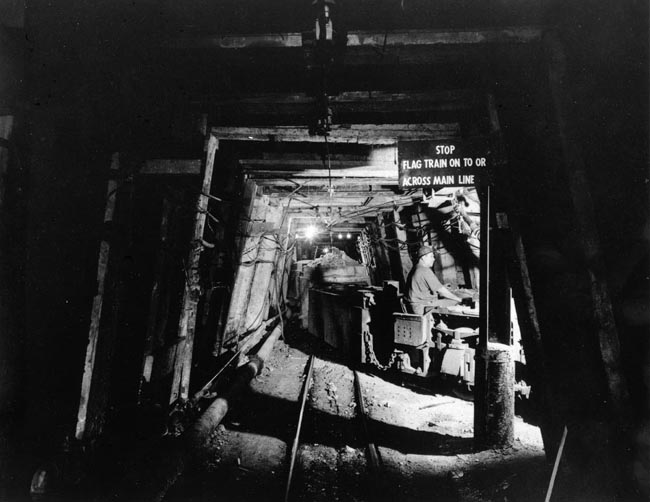
Frank Bautista
Minero Mexicano Americano abajo en la mina
Miami Copper Company
ca. 1948
CP MCL 61717
McLaughlin Photograph Collection
Herb and Dorothy McLaughlin
Click to view larger image
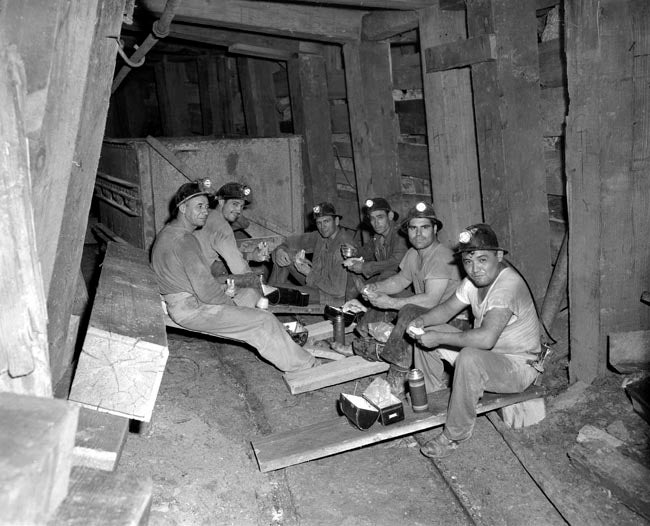
Celso Reyes, Juan Rodriguez, Jose Soza, Manuel Casillas, John Cutter
800 level underground
Inspiration Consolidated Copper Co., Miami, Arizona
ca. 1948
CP MCL 9775
McLaughlin Photograph Collection
Herb and Dorothy McLaughlin
Click to view larger image
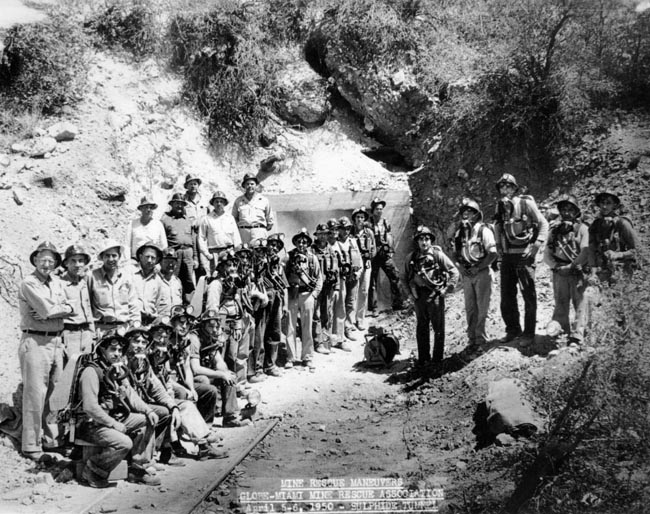
1950
CP RK 203
R.F. Kelley Photographs
Click to view larger image

Copyright Arizona State University Libraries
Box 871006, Tempe, AZ 85287-1006

Land acknowledgement
The ASU Library acknowledges the twenty-three Native Nations that have inhabited this land for centuries. Arizona State University's four campuses are located in the Salt River Valley on ancestral territories of Indigenous peoples, including the Akimel O’odham (Pima) and Pee Posh (Maricopa) Indian Communities, whose care and keeping of these lands allows us to be here today. ASU Library acknowledges the sovereignty of these nations and seeks to foster an environment of success and possibility for Native American students and patrons. We are advocates for the incorporation of Indigenous knowledge systems and research methodologies within contemporary library practice. ASU Library welcomes members of the Akimel O’odham and Pee Posh, and all Native nations to the Library.
