
Three news stories highlighted by Arizona State University's Media Relations and Strategic Communications office. Hosted by Media Relations Director Veronica Sanchez.
Home
About ASU Media Relations and Strategic Communications
We tell and share the stories of one of the largest public research universities in the country through our
team of internal reporters and editors, media and public relations veterans, and a full-service
creative team. Our goal is to create content for, distribute content to, and create relationships
with audiences around the globe.
Email us at mediarelations@asu.edu or call us at [CURRENT_PHONE]
Featured experts
Scroll through our list of ASU faculty whose expertise aligns with today’s headlines and global conversations. Click on the experts' names to learn more about their expertise and recent media articles.
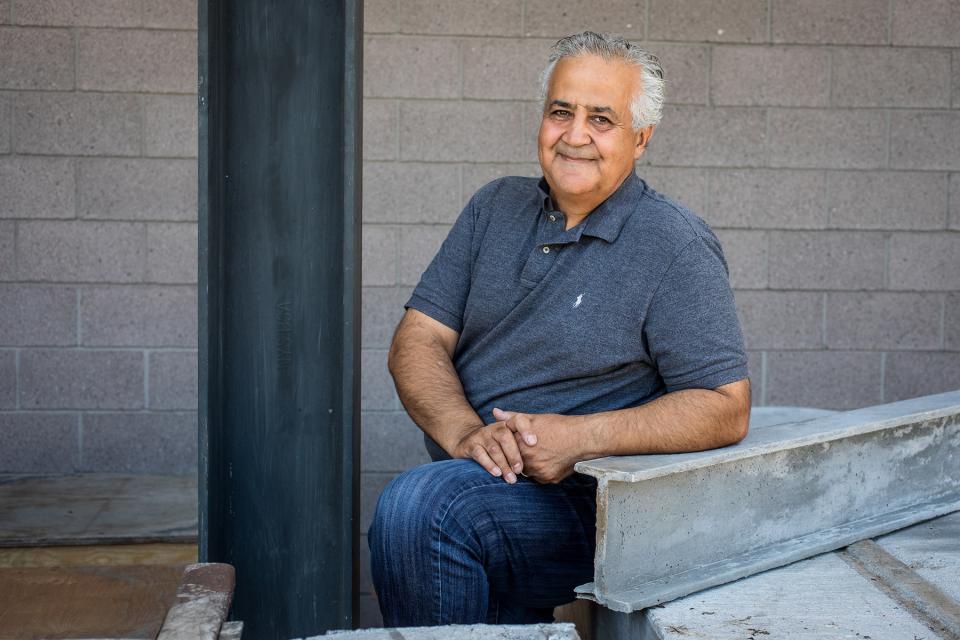
Barzin Mobasher is a professor of civil and environmental engineering. His work specializes in developing materials for niche building materials used in planes, buildings and automobiles.
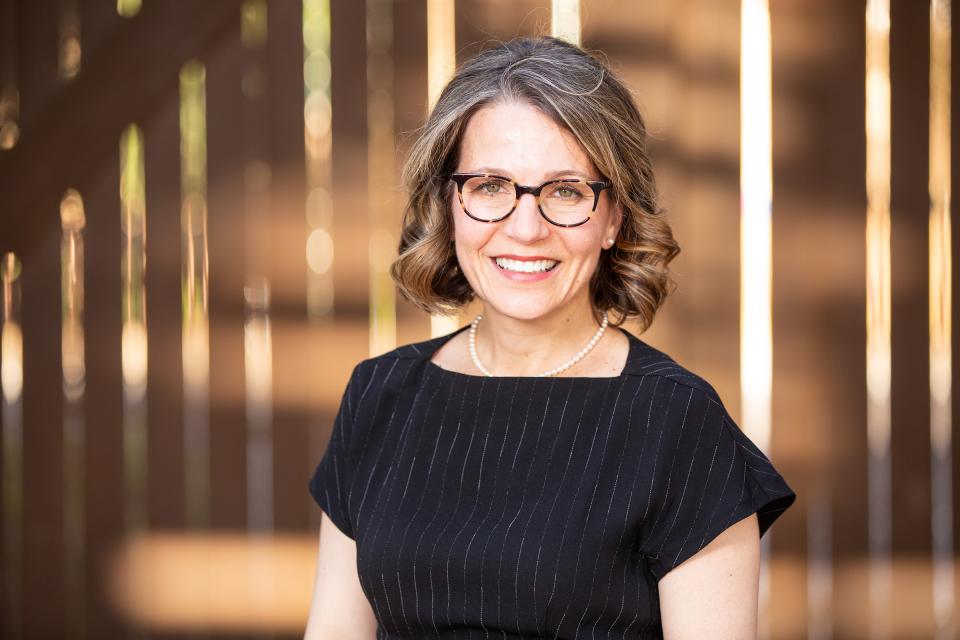
Heather Ross holds a joint appointment in the School for the Future of Innovation in Society and the Edson College of Nursing and Health Innovation. Her expertise is in healthcare practice and technology policy.
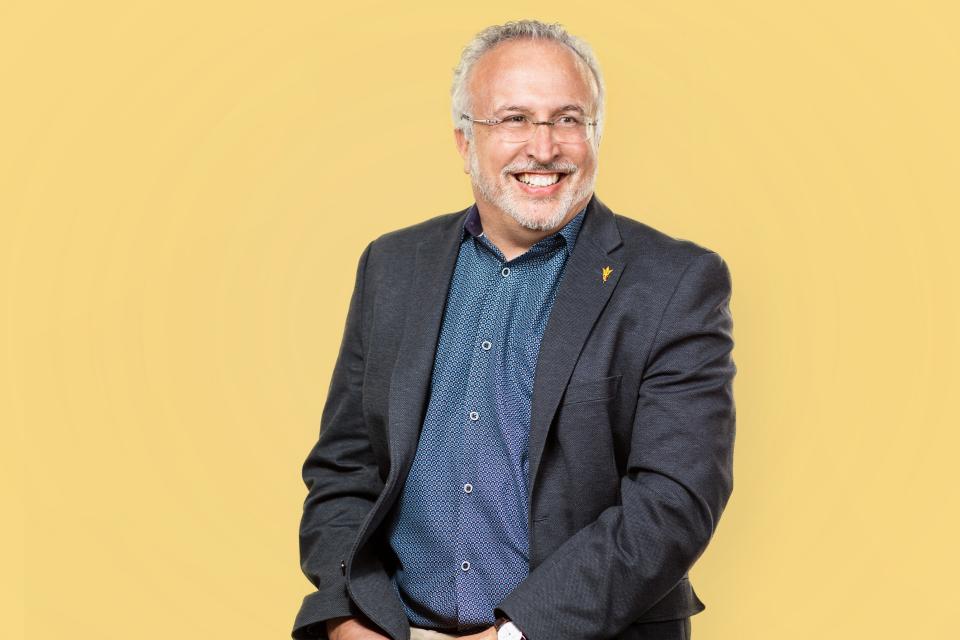
Lev Gonick is the Enterprise Chief Information Officer at Arizona State University. An educator, technologist, and smart city architect, he has been teaching, working, and living on the Net for more than 25 years.
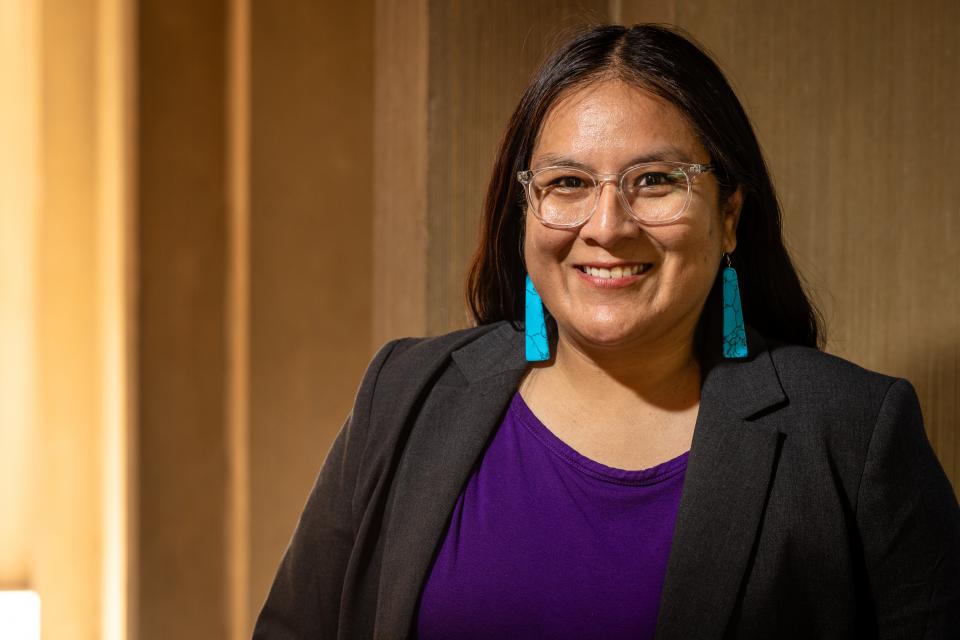
Krystal Tsosie is an assistant professor in the School of Life Sciences. Tsosie is an Indigenous geneticist and bioethicist who studies health disparities as it relates to Indigenous peoples and communities.
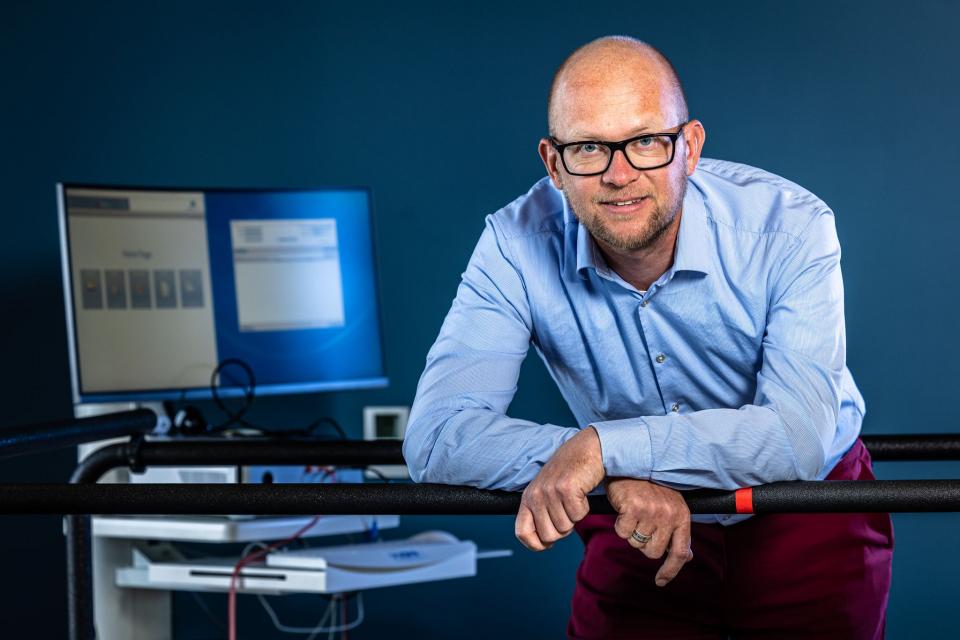
Floris Wardenaar is an assistant professor of sports nutrition in the College of Health Solutions. Wardenaar is a sports nutritionist whose interests include athlete hydration, particularly in hot climates; dietary supplements and new feeding concepts for athletes.
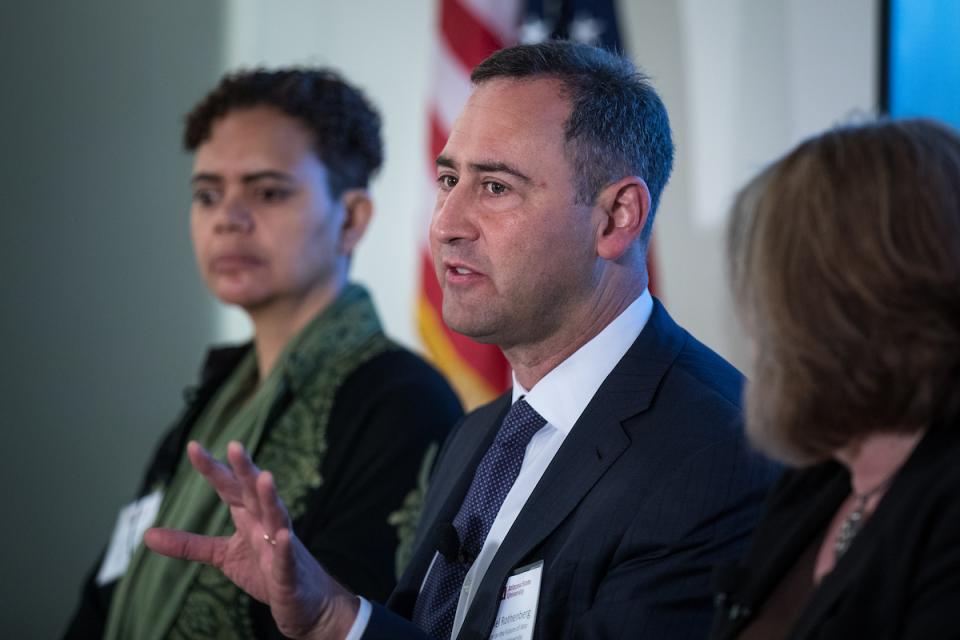
Daniel Rothenberg is a professor of practice in the School of Politics and Global Studies and co-director of the Center on the Future of War. Rothenberg is an expert in terrorism, violence and human rights.
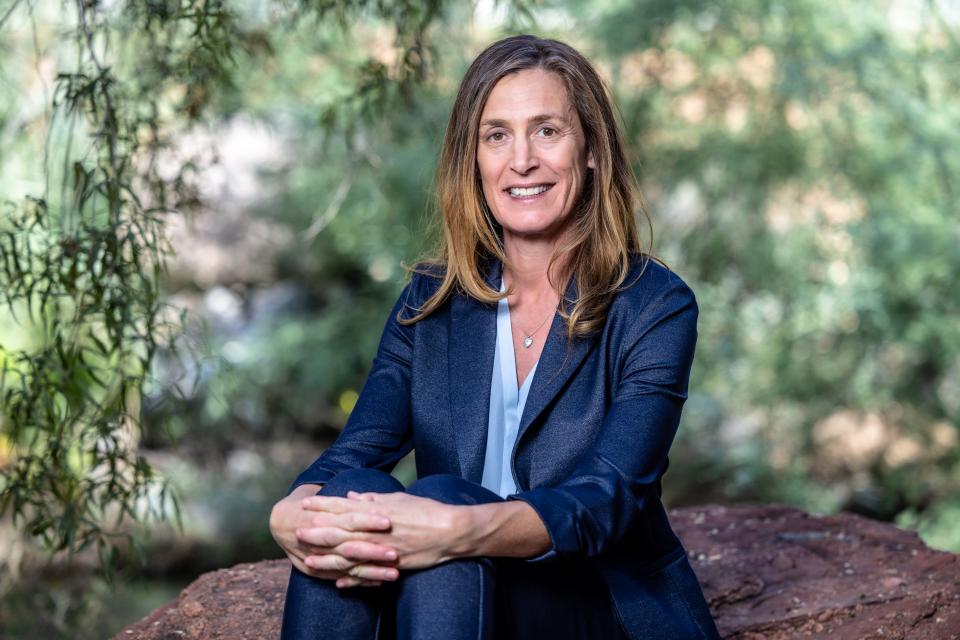
Leah Gerber is a professor of conservation science in the School of Life Sciences and founding director of the Center for Biodiversity Outcomes. Gerber is an expert in ecosystems, science policy and conservation.
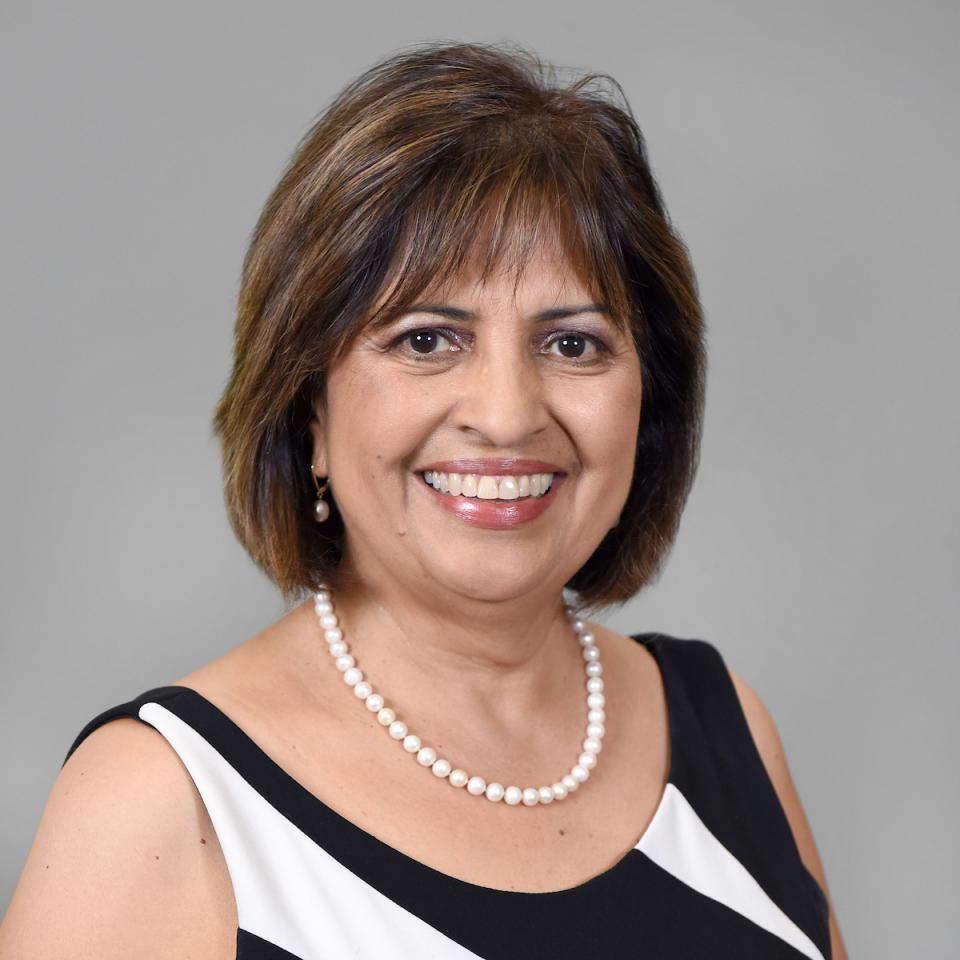
Irasema Coronado is the director and professor of the School of Transborder Studies. She is an expert on human rights on the U.S.-Mexico border.
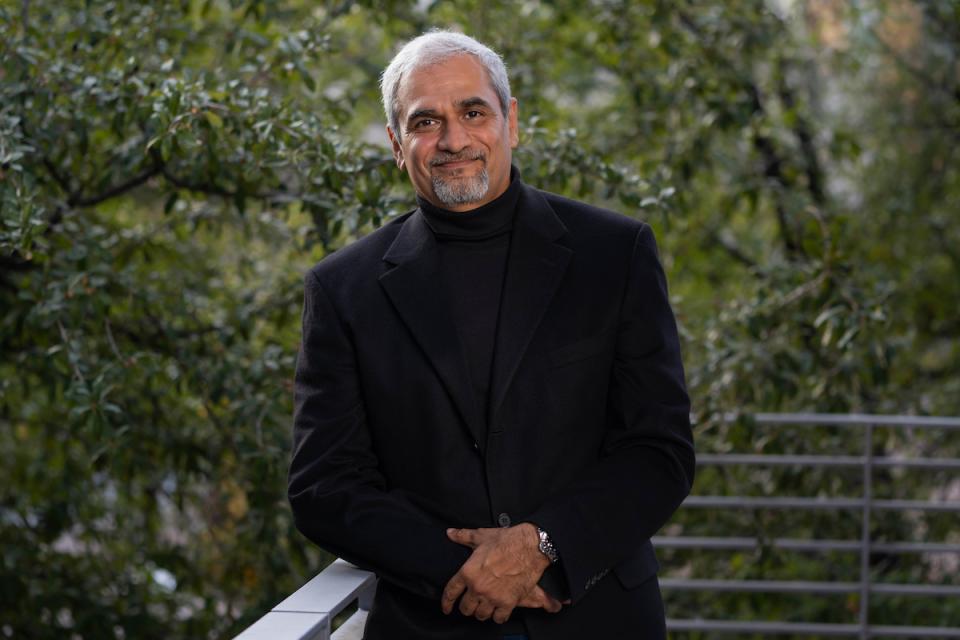
Hitendra Chaturvedi is a professor of practice at the W. P. Carey School of Business. Chaturvedi is an expert in supply chain management, entrepreneurship and venture capital.
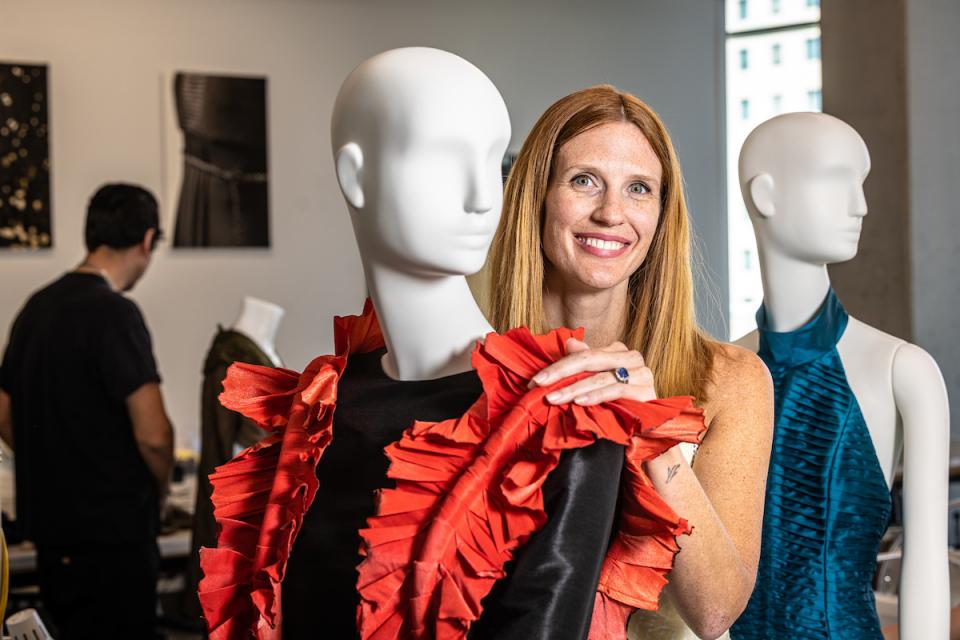
Danielle Testa is an assistant professor in the School of Art. Testa is an expert in the relationship between people, products, and the surrounding environment.

Randy Cerveny is a meteorologist specializing in data analytics for extreme weather events. Cerveny is a President’s professor of Geographical Sciences and Urban Planning.
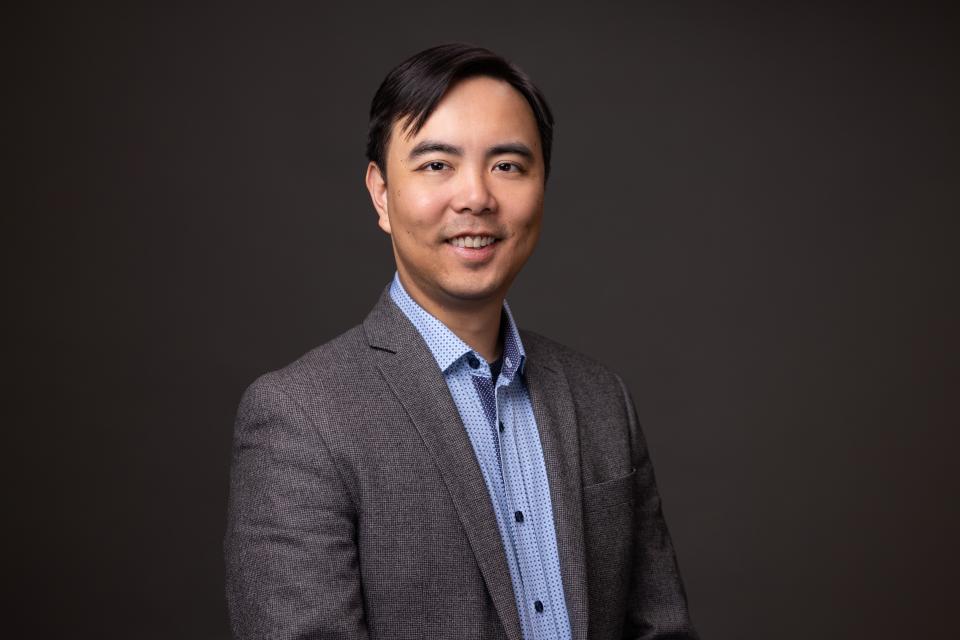
Robert LiKamWa is an associate professor in the School of Arts, Media and Engineering and the School of Electrical, Computer and Energy Engineering. LiKamWa is an expert in digital media.
ASU in the media

Forbes
Why Arizona State University Should Win The Nobel Peace Prize
 ABC15
Arizona State University helping prepare people for careers in growing semiconductor industry |
 Times Higher Education
We need to address the generative AI literacy gap in higher education |
 AzCentral
Matthew McConaughey and ASU are helping an Arizona school district. Here's how |
 ABC15
The streaming wars and Hollywood: How streaming apps are making a lasting impression on the movie landscape |
Featured videos
The Big Three from Arizona State University: January 19, 2024
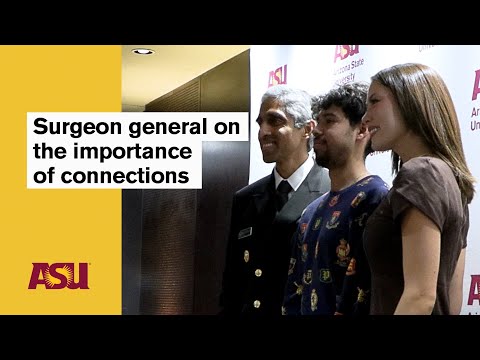 Surgeon general on the importance of connections
Dr. Vivek H. Murthy visited Arizona State University on a national tour focusing on student health.
|
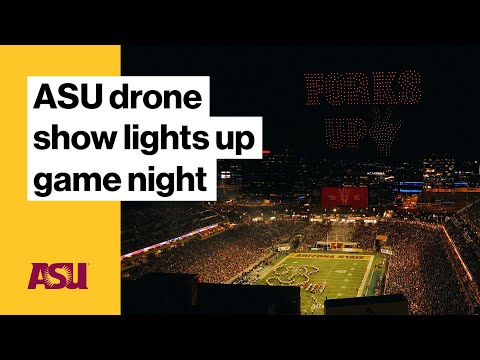 ASU drone show lights up game night: Arizona State University
Ana Herruzo, an associate professor with Herberger Institute for Design and the Arts, led a student team in designing a four-minute drone light show for the USC-ASU football game’s halftime show on Sept. 23, 2023. |
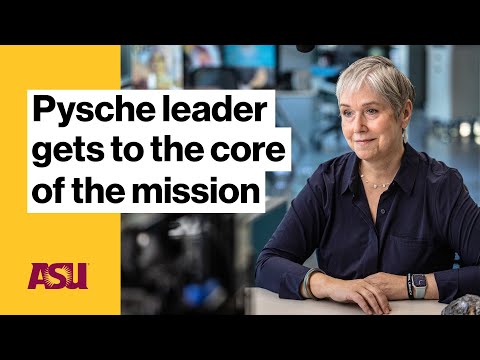 Psyche leader gets to the core of the mission: Arizona State University (ASU)
Principal Investigator Lindy Elkins-Tanton talks about the first Arizona State University-led deep-space mission, set to launch Oct. 5 in Florida. The Psyche mission is a nearly six-year journey to an asteroid of the same name. |
 ASU to create McCain National Library: Arizona State University (ASU)
|
Quick facts
ASU is No. 1 in the US for innovation
For the eighth straight year, U.S. News & World Report ranks ASU No. 1 on its “Most Innovative Schools” list, ahead of Stanford and MIT. ASU again topped the list based on a survey of peers: College presidents, provosts and admissions deans around the country nominated up to 10 colleges or universities that are making the most innovative improvements.
Top 1 percent of world's most prestigious universities
ASU is in the top 1 percent of the world's most prestigious universities as ranked by Times Higher Education in the only global performance tables that measure research-intensive universities across core missions: teaching, research, knowledge transfer and international outlook.
A top producer of the world's elite scholars
ASU, Harvard, Stanford and the University of Chicago are the only four institutions in the nation with elite Rhodes, Marshall and Churchill scholarship winners. ASU’s six faculty and 15 student Fulbright scholars in the U.S. government’s flagship international exchange program are yet another testament to the breadth and excellence of the university’s programs.
Among best graduate schools in the US
ASU graduate programs place among the best in the nation, according to U.S. News & World Report's 2018 “Best Graduate Schools” rankings. Twenty-one graduate programs are top 10 in the country, ranking among the best schools for law, education, business, public affairs, fine arts and others.
News from ASU

ASU business school launches AI degree program
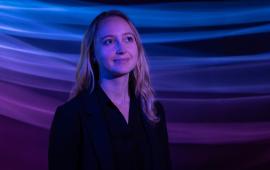 With help from AI, ASU researcher develops models to address climate change, other global issues |
 Financial tips to start the new year |
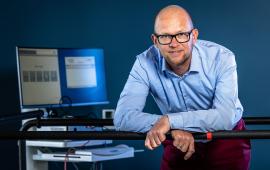 ASU professor's webinar series helps boost sports nutrition knowledge |
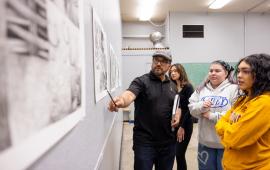 ASU art instructor designs El Valle uniforms for Phoenix Suns |